
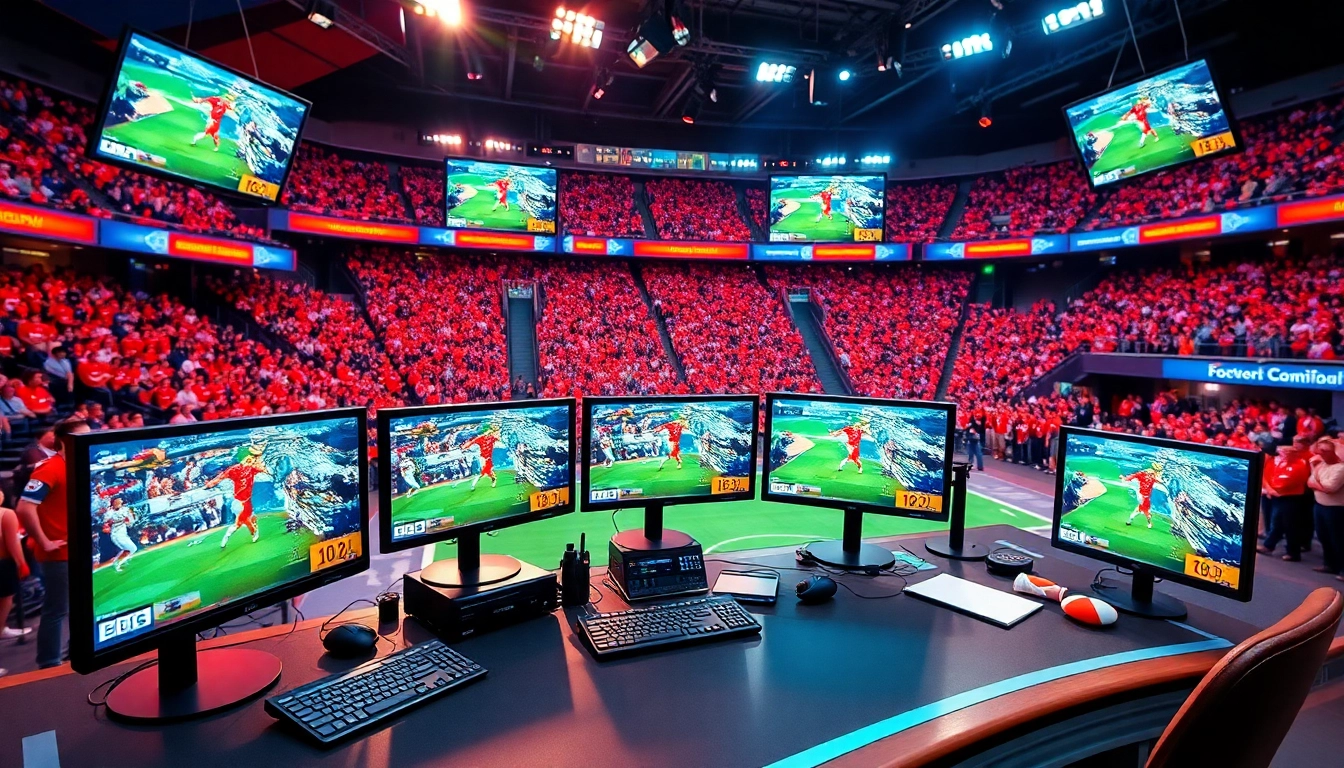
Understanding Sports Broadcasting
Overview of Sports Broadcasting
Sports broadcasting refers to the dissemination of sporting events through various media formats, including television, radio, and online platforms. This engaging field merges the excitement of sports with the skill of storytelling, appealing to a broad audience that craves immediate access to their favorite games. Whether it's a thrilling last-minute touchdown or an unexpected upset in a championship match, effective sports broadcasting captures these moments and delivers them with precision and clarity. A key element of this field is keeping the audience engaged and informed, integrating Sports Broadcasting with the viewer's experiences. The rise of digital media continues to transform the landscape, offering new opportunities and challenges for broadcasters.
Types of Sports Broadcasting
Sports broadcasting can be categorized into several distinct types, each with its unique format and audience. Generally, these fall into three main categories:
- Television Broadcasting: This is the traditional method, featuring live coverage of sport events, replays, and commentary. Networks often invest in high-definition graphics and detailed analyses to enhance viewer experience.
- Radio Broadcasting: While less common for live televised events, radio broadcasts allow fans to follow games live, often supplemented with expert commentary and insights, especially for community-centric sports.
- Online Streaming: The advent of streaming technology has revolutionized how audiences consume sports. Websites and dedicated apps provide live coverage, highlights, and real-time interaction through social media integration.
The Evolution of the Industry
The evolution of sports broadcasting has been characterized by technological advancements and changing viewer preferences. Initially, radio was the frontier of sports broadcasting, providing crucial updates and connecting fans to the action. With the introduction of television in the mid-20th century, coverage expanded dramatically, leading to an increased appetite for sports content. Today, digital platforms dominate as audiences crave accessibility and immediate information. Social media has also emerged as a vital tool for engaging with audiences, allowing real-time interaction and enhancing viewer participation.
Key Equipment for Sports Broadcasting
Essential Broadcasting Tools
The foundation of effective sports broadcasting lies in the quality of equipment utilized. Essential tools include:
- Cameras: High-definition cameras are a must for capturing live events. Automated and robotic cameras are also increasingly popular for their ability to move fluidly and keep pace with the action.
- Microphones: Quality audio equipment ensures that commentary is clear and audience engagement is maintained. Wireless microphones are often favored for their flexibility during interviews and on-field reporting.
- Broadcasting Software: Software solutions facilitate live video editing, streaming integrations, and graphics overlay, making them crucial for producing polished, engaging broadcasts.
Camera and Audio Techniques
Proper camera and audio techniques significantly enhance the quality of sports broadcasts. Here are some key considerations:
- Camera Angles: Utilizing multiple camera angles allows viewers to experience the game from various perspectives, bringing excitement and depth to the broadcast.
- Audio Balance: Balancing the excitement of the crowd with the commentator's voice is critical for maintaining viewer engagement. The use of sound effects and background scores can enhance the emotional impact.
- Close-ups and Replays: Strategically placed close-ups and replays emphasize critical moments of gameplay, drawing audiences into the heart of the action.
Streaming Technology in Sports Broadcasting
Streaming technology has fundamentally altered how sports are broadcasted. Live streams offer immediate access to fans globally, while cloud-based services allow for greater flexibility in production. Key aspects of streaming technology include:
- Latency Reduction: Advanced streaming solutions focus on minimizing latency to provide real-time viewing experiences, which is critical during live events.
- Adaptive Streaming: This technology adjusts video quality based on the viewer's internet speed, ensuring a seamless experience across different devices.
- Cross-Platform Accessibility: Modern streaming solutions allow audiences to watch broadcasts on a variety of devices, significantly increasing viewer engagement.
Content Creation in Sports Broadcasting
Writing for Sports Audiences
Writing for sports audiences demands a unique approach that prioritizes clarity, excitement, and factual accuracy. Journalists and commentators must deliver information engagingly and informatively. Key tips include:
- Use Quick, Punchy Sentences: Fast-paced language resonates well with sports fans, keeping energy levels high.
- Focus on the Story: Always seek the narrative behind the game. Fans not only want facts, they also crave the emotions and stakes involved.
- Utilize Statistics Wisely: Infusing stats can add depth to commentary, but they should be explained clearly to appeal to a wider audience.
Engaging Viewers through Commentary
Commentary plays a pivotal role in sports broadcasting, transforming a simple game into an immersive experience. Effective commentators should:
- Be Relatable: Personal stories and relatable moments draw viewers in and make them feel connected to the game.
- Balance Analysis with Excitement: While analysis is important, maintaining excitement during key moments is essential for viewer engagement.
- Encourage Viewer Interaction: Inviting fans to share their thoughts via social media or direct interaction makes them feel included in the experience.
Using Graphics and Visuals Effectively
Graphics and visuals enhance the storytelling aspect of sports broadcasting. Effective use includes:
- Statistics and Graphics: Infographics can present team stats, player performances, and game analysis in an easily digestible format.
- Interactive Graphics: Allowing viewers to interact with visuals keeps them engaged and encourages exploration of deeper insights.
- Highlight Reels: Well-crafted highlight reels can recap important moments, capturing the essence of the game for viewers.
Strategies for Engaging Sports Broadcasting
Building Audience Interaction
Engaging an audience in sports broadcasting extends beyond simply presenting the game. Key strategies include:
- Live Polls and Q&A: Conducting live polls about predictions or player performance can make fans feel more involved.
- Fan Interaction: Encourage viewers to submit questions or comments for analysis during broadcasts, enhancing real-time engagement.
- Sponsor Challenges: Create games or challenges sponsored by brands, encouraging fan participation and interaction across platforms.
Utilizing Social Media Platforms
Social media has become a key player in sports broadcasting. Utilizing platforms effectively involves:
- Real-Time Updates: Posting live updates keeps fans informed and engaged, even if they aren't watching the game live.
- Behind-the-Scenes Content: Offering glimpses of preparations, interviews, or locker room footage gives fans exclusive content that deepens their connection.
- Engagement Campaigns: Running campaigns that encourage user-generated content can expand your audience and create community around the sport.
Real-time Engagement During Live Events
Real-time engagement is crucial for maintaining viewership during live broadcasts. Effective tactics include:
- Commentary Integration: Blend insights from social media into live commentary, highlighting viewer opinions and creating a dynamic discussion.
- Live Chats: Implementing live chat features allows viewers to interact with each other and the broadcasters, adding a layer of engagement.
- Highlighting Fan Reactions: Showcasing fan reactions or content during the game fosters a sense of community among viewers.
Measuring Success in Sports Broadcasting
Key Performance Indicators to Track
To evaluate the effectiveness of sports broadcasting strategies, consider tracking the following KPIs:
- Viewership Numbers: Understanding audience size allows broadcasters to gauge reach and potential for growth.
- Engagement Rates: Track likes, shares, comments, and interactions on social media to assess overall involvement.
- Audience Retention: Measuring how long viewers stay engaged during broadcasts is crucial for understanding content effectiveness.
Analyzing Viewer Feedback
Gathering and analyzing viewer feedback can provide essential insights for improvement. This includes:
- Surveys and Polls: Conducting surveys post-broadcast can reveal viewer preferences and areas for enhancement.
- Social Media Monitoring: Track comments, hashtags, and interactions on social platforms to assess audience sentiments.
- Focus Groups: Engaging in dynamic discussions with select audience members can yield deeper qualitative insights.
Continuous Improvement Strategies
Continuous improvement is crucial in sports broadcasting. Consider the following strategies:
- Regular Training: Encourage ongoing training for hosts, commentators, and technical staff to stay current with trends.
- Data-Driven Decisions: Use collected data to refine strategies and maximize engagement based on audience preferences.
- Experimentation: Be open to trying new formats, themes, or presentation styles to keep content fresh and exciting for viewers.
FAQs
What defines successful sports broadcasting?
Successful sports broadcasting involves high-quality production, engaging content, and responsiveness to audience interests, creating entertainment that connects with viewers.
What technology is essential for sports broadcasting?
Key technologies include high-definition cameras, broadcasting software, and robust streaming platforms for live events, all crucial for delivering engaging coverage.
How can I improve my sports commentary skills?
Practice by watching experienced commentators, train your voice, and focus on connecting with the audience's emotions to enhance your commentary style.
What metrics should I track for sports broadcasting?
Track viewer numbers, engagement levels, social media interactions, and audience retention rates to gauge performance and assess effectiveness.
How important is audience interaction in sports broadcasting?
Audience interaction is crucial as it fosters loyalty, enhances the viewer experience, and provides valuable feedback for continuous improvement.